Enhancing Your Home: The Ultimate Guide to Choosing a Siding Installation Contractor
With siding installation contractors playing a crucial role in home improvement projects, homeowners are faced with important decisions that can significantly impact the aesthetics and value of their property. Let's delve into the world of siding installation contractors and explore the key factors to consider when embarking on this journey.
As we navigate through the different types of siding materials and the intricate installation process, you'll gain valuable insights that will help you make informed choices for your home.
Importance of Siding Installation Contractors
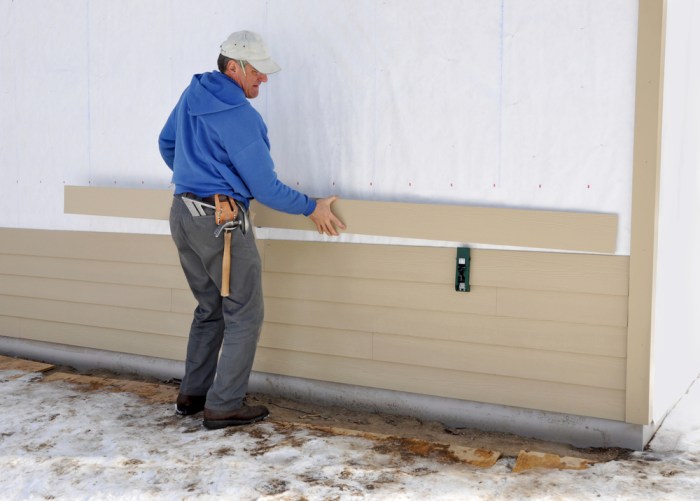
When it comes to home improvement projects, siding installation contractors play a crucial role in enhancing the overall look and functionality of a property. Their expertise and experience ensure that the siding is installed correctly and efficiently, providing numerous benefits to homeowners.
Benefits of Hiring Professional Contractors
- Quality Workmanship: Professional contractors have the skills and knowledge to install siding properly, ensuring durability and longevity.
- Time and Cost Efficiency: Hiring professionals saves time and money in the long run, as they can complete the project efficiently without costly mistakes.
- Access to Quality Materials: Contractors have access to high-quality siding materials that may not be available to the general public, ensuring a superior finish.
- Compliance with Building Codes: Professional contractors are familiar with building codes and regulations, ensuring that the installation meets all necessary requirements.
Impact on Property Aesthetics and Value
The quality of siding installation has a significant impact on the overall aesthetics and value of a property. Well-installed siding enhances the curb appeal of a home, making it more attractive to potential buyers and increasing its resale value. Additionally, properly installed siding provides better insulation, leading to energy efficiency and cost savings in the long term.
Types of Siding Materials
When it comes to siding materials, there are several options available for homeowners and contractors to choose from. Each type of siding material comes with its own set of features, benefits, and considerations. Let's take a closer look at some of the most commonly used siding materials in construction projects.
Vinyl Siding
Vinyl siding is a popular choice due to its affordability, versatility, and low maintenance requirements. It comes in a wide range of colors and styles, making it easy to customize the look of any home. Vinyl siding is also durable and resistant to rot, pests, and moisture, making it a long-lasting option for many homeowners.
However, it may not be as environmentally friendly as other siding materials, and it can crack or fade over time.
Wood Siding
Wood siding offers a natural and timeless look that many homeowners love. It can be painted or stained to match any aesthetic preference and can add warmth and character to a home. Wood siding is also biodegradable and renewable, making it an eco-friendly choice for those concerned about sustainability.
However, wood siding requires regular maintenance, including painting or staining every few years, and it is susceptible to rot, pests, and moisture damage if not properly cared for.
Fiber Cement Siding
Fiber cement siding is a durable and low-maintenance option that offers the look of wood without the same level of upkeep. It is resistant to fire, pests, and rot, making it a long-lasting choice for many homeowners. Fiber cement siding is also available in a variety of colors and textures, allowing for customization to suit different architectural styles.
However, fiber cement siding can be more expensive than other materials, and it may require professional installation due to its weight and installation requirements.
Metal Siding
Metal siding, such as steel or aluminum, is a strong and durable option that is resistant to fire, pests, and rot. It is low maintenance, easy to clean, and can last for many years with minimal care. Metal siding is also energy-efficient, reflecting heat away from the home and helping to reduce energy costs.
However, metal siding can dent or scratch easily, especially in areas prone to severe weather conditions, and it may not offer the same level of customization as other materials.
Siding Installation Process
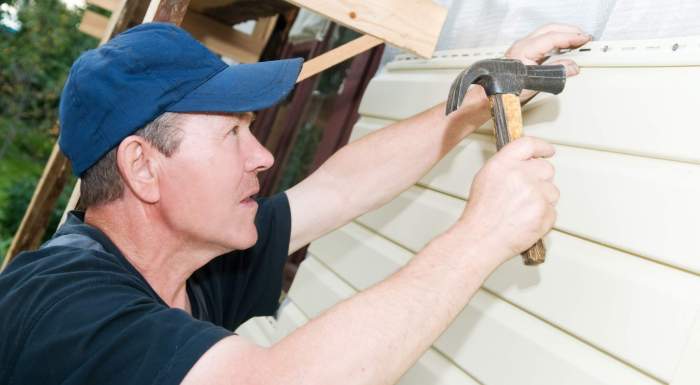
When it comes to siding installation, contractors follow a meticulous step-by-step process to ensure a successful outcome. Proper preparation, including inspection, measurements, and surface cleaning, is crucial to the longevity and durability of the siding. Techniques for cutting, fitting, and securing siding materials during installation are also key components of the process.
Proper Preparation
Before the actual installation begins, siding installation contractors conduct a thorough inspection of the property. This involves assessing the condition of the existing siding, identifying any areas of damage or wear, and determining the best approach for removal and replacement.
Accurate measurements are then taken to ensure that the new siding will fit properly and provide complete coverage. Additionally, the surface to which the siding will be attached must be cleaned and prepped to ensure a secure and lasting installation.
Cutting, Fitting, and Securing
Once the preparation is complete, the siding materials are cut to the appropriate size and shape to fit the specific dimensions of the property. Specialized tools and techniques are used to ensure precise cuts and a seamless finish. The siding is then fitted onto the surface, making sure that each piece aligns correctly with the others for a uniform appearance.
Finally, the siding is securely fastened in place using nails, screws, or other appropriate methods to withstand the elements and maintain its structural integrity over time.
Compliance and Regulations
Compliance with building codes and regulations is crucial during siding installation to ensure the safety and structural integrity of the property. Siding installation contractors play a vital role in adhering to these standards to protect both the property owner and the general public.
Importance of Compliance
- Siding installation contractors must follow local building codes to meet safety requirements and avoid legal issues.
- Adherence to regulations ensures that the siding installation is done correctly and will withstand environmental factors.
- Failure to comply with regulations can result in fines, delays, or even the need for costly repairs in the future.
Ensuring Adherence to Safety Standards
- Contractors undergo training to stay updated on building codes and safety regulations.
- Regular inspections are conducted to verify compliance with standards throughout the installation process.
- Use of proper tools, equipment, and techniques is essential to maintain safety and quality standards.
Common Compliance Issues and Solutions
- Improper flashing installation leading to water intrusion: Contractors address this by ensuring proper sealing and flashing around windows, doors, and other penetrations.
- Incorrect fastener placement causing siding damage: Contractors educate their team on the correct placement of fasteners to prevent damage and ensure a secure installation.
- Violation of setback requirements: Contractors carefully measure and plan the siding layout to adhere to setback regulations and avoid potential violations.
Final Conclusion
In conclusion, choosing the right siding installation contractor can make all the difference in the world when it comes to transforming your home. By understanding the importance of compliance, the variety of siding materials available, and the meticulous installation process, you are well-equipped to elevate your property to new heights.
Key Questions Answered
What are the benefits of hiring a professional siding installation contractor?
Professional contractors bring expertise, efficiency, and quality workmanship to the project, ensuring a seamless and durable siding installation.
How do I choose the right siding material for my home?
Consider factors like durability, maintenance requirements, cost, and aesthetic appeal when selecting a siding material that best suits your needs and preferences.
What is the importance of complying with building codes during siding installation?
Adhering to building codes ensures safety, structural integrity, and compliance with legal regulations, preventing issues down the line.