Enhancing Your Home: The Ultimate Guide to Residential House Painting
Embark on a journey through the world of residential house painting, where colors come alive and homes get a fresh new look. From choosing the perfect shade to mastering painting techniques, this guide covers everything you need to know to transform your house into a masterpiece.
Discover the secrets behind creating a stunning facade and protecting your home from the elements with a simple coat of paint.
Importance of Residential House Painting
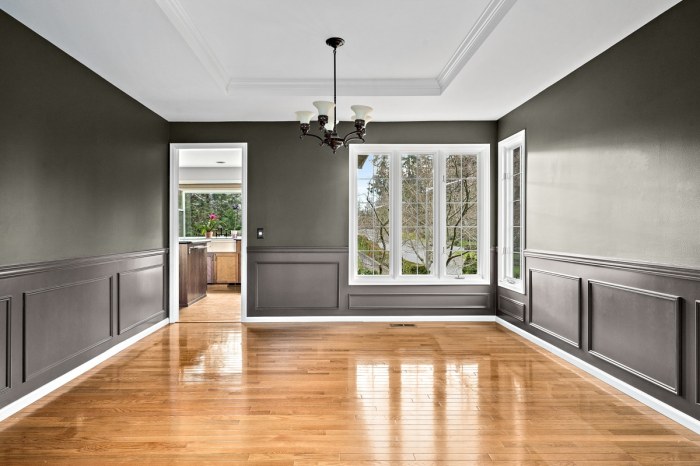
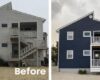
Painting a residential house is crucial for not only enhancing its appearance but also for protecting it from external elements. A fresh coat of paint can completely transform the look of a home and increase its curb appeal.
Enhancing Curb Appeal
When a house is painted with a fresh and vibrant color, it instantly stands out in the neighborhood. Curb appeal is essential for creating a welcoming and attractive environment for both residents and visitors.
Protection from External Elements
The paint acts as a protective layer for the exterior of the house, shielding it from harsh weather conditions such as rain, sun, and snow. This helps in preventing damage and prolonging the lifespan of the building.
Impact of Color Choice
Choosing the right colors for a house can significantly impact its overall aesthetic. Different colors evoke different emotions and can create a specific atmosphere. It is important to select colors that complement the architectural style and surroundings of the house.
Types of Residential House Paint
When it comes to painting your residential house, there are several types of paints to choose from, each with its own unique characteristics and benefits.
Oil-Based vs. Water-Based Paints
- Oil-Based Paints:
- Known for their durability and smooth finish.
- Require longer drying times and strong odors due to the presence of solvents.
- Ideal for high-traffic areas and surfaces that need extra protection.
- Water-Based Paints:
- Quick drying and easy to clean up with water.
- Low odor and environmentally friendly.
- Great for interior walls and ceilings, as well as areas with less wear and tear.
Interior and Exterior House Paints
- Interior Paints:
- Designed for use inside the house.
- Often come in a wider variety of colors and finishes.
- Emphasize characteristics like washability and stain resistance.
- Exterior Paints:
- Formulated to withstand outdoor elements like sun, rain, and snow.
- Contain additives for UV protection and mold/mildew resistance.
- Usually have a higher level of durability compared to interior paints.
Specialty Paints
- Textured Finishes:
- Create a textured look on walls for added depth and visual interest.
- Commonly used to camouflage imperfections in the wall surface.
- Matte Finishes:
- Produce a non-reflective, velvety appearance on walls.
- Help hide surface imperfections and are easy to touch up.
- Glossy Finishes:
- Reflect light and create a shiny finish on walls.
- Provide a durable surface that is easy to clean but can highlight flaws.
Preparation for House Painting
Before diving into a residential house painting project, it is crucial to properly prepare the surfaces to ensure a smooth and long-lasting finish. Adequate preparation can make a significant difference in the overall outcome of the painting job.
Steps Involved in Preparing a House for Painting:
- Clean the surfaces: Remove dirt, grime, and any loose paint from the walls by washing them with a mild detergent and water. This step is essential for proper adhesion of the new paint.
- Repair any damage: Fill in holes, cracks, and gaps with spackling or caulk. Smooth out the surface to create a seamless finish.
- Sand the surfaces: Use sandpaper to smooth out rough areas and create a uniform surface for painting. This step helps the paint adhere better and prevents peeling.
- Protect areas not to be painted: Cover floors, furniture, and fixtures with drop cloths or plastic to prevent any accidental paint splatters.
Tips on Priming Surfaces Before Painting:
- Priming helps the paint adhere better to the surface and provides a uniform base for the paint color.
- Choose a primer that is suitable for the surface you are painting, whether it's wood, drywall, or metal.
- Apply the primer evenly and allow it to dry completely before applying the paint.
Importance of Cleaning and Sanding Surfaces:
- Cleaning ensures that the paint will adhere properly to the surface, preventing peeling and flaking.
- Sanding smooths out imperfections and rough spots, creating a seamless finish for the paint to adhere to.
- Proper cleaning and sanding can prolong the life of the paint job and maintain the aesthetics of your home.
Choosing the Right Tools and Equipment for Painting:
- Invest in high-quality paint brushes, rollers, and paint sprayers for a professional finish.
- Use painter's tape to protect edges and create clean lines between different colors or surfaces.
- Consider the type of paint you are using and choose the appropriate tools for application, whether it's latex, oil-based, or specialty paint.
Techniques for Residential House Painting
When it comes to painting your home, using the right techniques is essential to achieve a professional and long-lasting finish. Whether you choose to brush, roll, or spray, each method has its own advantages and considerations to keep in mind.
Here are some tips to help you master the art of residential house painting.
Brushing
Brushing is a traditional painting technique that allows for greater control and precision, especially when working on smaller areas or intricate details. To achieve a smooth finish, use high-quality brushes and apply the paint in even strokes, following the natural grain of the surface.
Be sure to feather out the edges to avoid visible brush marks.
Rolling
Rolling is a popular method for painting larger surfaces quickly and efficiently. When using a paint roller, choose the appropriate nap length for your surface texture, and apply the paint in a "W" or "M" pattern to evenly distribute the paint.
Start from the top and work your way down to avoid drips and streaks.
Spraying
Spraying is a fast and effective technique for covering large areas or hard-to-reach spots. When using a paint sprayer, adjust the nozzle to achieve the desired spray pattern and pressure. Remember to mask off surrounding areas and protect yourself with proper safety gear to prevent overspray.
Importance of Proper Paint Application
Using the right painting techniques not only ensures a flawless finish but also helps extend the lifespan of your paint job. Proper application methods can prevent issues like brush marks, roller lines, or uneven coverage, resulting in a professional-looking outcome that enhances the beauty and value of your home.
Avoiding Common Painting Mistakes
Common painting mistakes, such as applying too much paint, skipping priming, or neglecting surface preparation, can lead to unsatisfactory results and costly repairs down the line. By following best practices and taking your time to execute each step with care, you can avoid these pitfalls and enjoy a successful residential house painting project.
Maintenance and Care of Painted Surfaces
Maintaining the painted surfaces of your residential house is essential to ensure the longevity and appearance of the paint job. Regular care and upkeep can help prevent issues such as peeling, fading, or chipping.
Frequency of Repainting and Touch-ups
- Repainting your house exterior is typically recommended every 5-10 years, depending on the type of paint used and the climate in your area.
- Interior walls may need to be repainted every 3-5 years, especially in high-traffic areas or if there are visible signs of wear and tear.
- Touch-ups can be done as needed to cover small areas of damage or discoloration, extending the life of the paint job.
Tips on Cleaning Painted Walls or Surfaces
- Regularly dust or vacuum painted walls to remove dirt and debris that can dull the paint finish.
- For stains or smudges, use a mild soap and water solution to gently clean the surface, avoiding harsh chemicals that can damage the paint.
- Test any cleaning solution on a small, inconspicuous area first to ensure it does not cause discoloration or damage to the paint.
Dealing with Paint Chips, Cracks, or Fading
- Address paint chips or cracks promptly by filling them in with spackle or caulk, smoothing the surface before repainting the area.
- To prevent fading, consider using paint with UV protection for exterior surfaces exposed to sunlight.
- Regularly inspect painted surfaces for signs of damage and make repairs as needed to maintain the integrity of the paint job.
Concluding Remarks
As you wrap up your painting project, remember that a well-maintained exterior not only boosts curb appeal but also adds value to your property. Keep these tips in mind to ensure your home stays vibrant and inviting for years to come.
Expert Answers
How often should I repaint my house?
It is recommended to repaint your house every 5-10 years to maintain its appearance and protect it from the elements.
What is the difference between oil-based and water-based paints?
Oil-based paints have a longer drying time and provide a more durable finish, while water-based paints are easier to clean up and have less odor.
Do I need to sand surfaces before painting?
Yes, sanding helps create a smooth surface for paint adhesion and ensures a better finish.
How can I prevent paint chips and cracks?
Proper surface preparation, using high-quality paint, and regular maintenance can help prevent paint damage like chips and cracks.
Can I use interior paint for exterior surfaces?
No, interior paint is not designed to withstand outdoor conditions, so it's important to use exterior paint for surfaces exposed to the elements.