Choosing the Best Exterior Siding Material: A Comprehensive Guide
Exploring the world of exterior siding materials opens up a realm of possibilities for homeowners looking to enhance the aesthetics and functionality of their homes. From classic wood to modern vinyl, each material brings its own unique charm and benefits to the table.
Dive into this guide to discover the key aspects of exterior siding materials that will help you make an informed decision for your home.
Types of Exterior Siding Materials
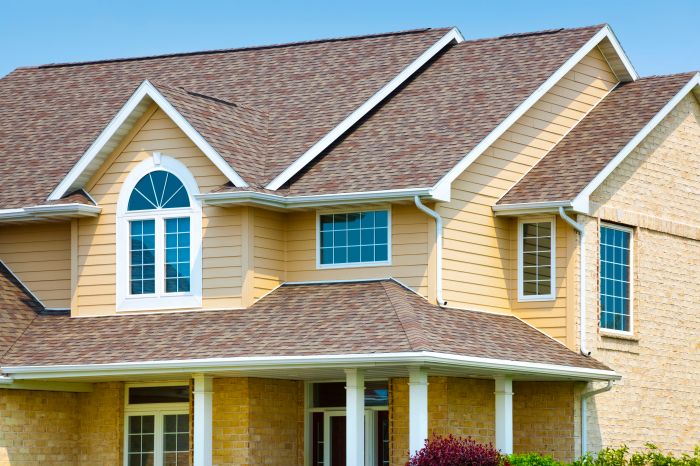
When it comes to exterior siding, there are several materials to choose from, each with its own unique characteristics. The most common types include wood, vinyl, fiber cement, and metal siding.
Wood Siding
Wood siding is a popular choice for its natural aesthetic appeal. It gives homes a warm, traditional look and can be painted or stained in various colors. However, wood siding requires regular maintenance such as staining, sealing, and repainting to prevent rot and insect damage.
Vinyl Siding
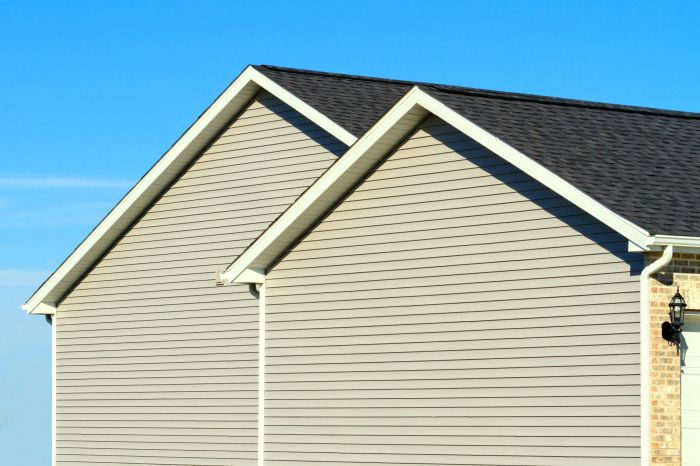
Vinyl siding is known for its low maintenance requirements and durability. It is available in a wide range of colors and styles, making it a versatile option for homeowners. Vinyl siding is also resistant to rot, insects, and weather damage, making it a long-lasting choice.
Fiber Cement Siding
Fiber cement siding is a durable and low-maintenance option that mimics the look of wood or masonry. It is resistant to rot, fire, and insects, making it a popular choice for many homeowners. Fiber cement siding is also available in various textures and colors to suit different architectural styles.
Metal Siding
Metal siding, such as steel or aluminum, is known for its strength and durability. It is resistant to rot, fire, and pests, making it a long-lasting option for homes in harsh climates. Metal siding is also available in different finishes, including painted or textured, to enhance the curb appeal of a home.
Installation Methods
Installing exterior siding materials is a crucial step in enhancing the look and protection of your home. Proper installation not only ensures durability but also contributes to energy efficiency. Let's delve into the step-by-step process of installing exterior siding materials and explore tips for ensuring proper insulation during the installation.
Step-by-Step Installation Process
- Prepare the Surface: Clean and inspect the surface where the siding will be installed. Repair any damages and ensure it is smooth and level.
- Install Insulation: Proper insulation is crucial for energy efficiency. Install a moisture barrier and insulation board before proceeding with siding installation.
- Measure and Cut: Accurately measure the dimensions of the siding panels and cut them accordingly to fit the surface.
- Begin Installation: Start from the bottom and work your way up, following the manufacturer's guidelines for the specific siding material.
- Secure in Place: Use appropriate fasteners to secure the siding panels in place, ensuring they are evenly spaced and properly aligned.
- Finish and Seal: Trim the edges, corners, and any openings neatly. Seal the joints and edges to prevent moisture infiltration.
Tips for Proper Insulation
- Choose High-Quality Insulation: Invest in high-quality insulation materials to ensure effective energy efficiency.
- Proper Installation: Ensure insulation boards are installed correctly and securely to prevent gaps or air leaks.
- Regular Maintenance: Inspect insulation regularly to identify any issues and address them promptly to maintain optimal insulation efficiency.
Common Challenges During Installation
- Weather Conditions: Extreme weather conditions can affect the installation process and the performance of some siding materials.
- Moisture Management: Improper moisture management can lead to mold or rot issues, emphasizing the importance of proper sealing and insulation.
- Alignment and Leveling: Ensuring proper alignment and leveling of siding panels can be challenging, requiring precision and attention to detail.
Environmental Impact
When it comes to choosing exterior siding materials, considering the environmental impact is crucial. Different siding options have varying levels of sustainability and eco-friendliness, which can greatly impact green building practices.
Wood Siding
Wood siding is a popular choice for its natural look and feel. However, the environmental impact of wood siding depends on whether the wood is sourced sustainably or not. Opting for wood siding from certified sustainable forests can help reduce deforestation and promote responsible forestry practices.
Recycled Materials Siding
Using recycled materials for siding can significantly reduce waste and the need for new raw materials. Recycled materials siding options often include materials like reclaimed wood, metal, or plastic. By choosing siding made from recycled materials, you can help minimize the environmental impact of construction projects.
Composite Siding
Composite siding is made from a combination of recycled wood fibers and plastic, offering a durable and low-maintenance alternative to traditional wood siding. While composite siding can be more expensive upfront, its longevity and reduced maintenance needs can make it a sustainable choice in the long run.
Choosing Eco-Friendly Siding
Opting for eco-friendly siding materials, such as wood from sustainable sources, recycled materials, or composite siding, can contribute to green building practices by reducing waste, promoting responsible sourcing, and minimizing environmental impact. By making informed choices about exterior siding materials, builders and homeowners can play a significant role in creating more sustainable and eco-friendly construction practices.
Cost Considerations
When it comes to choosing exterior siding materials, cost is a significant factor to consider. The initial investment and long-term maintenance expenses can vary greatly depending on the type of material you choose.
Cost Factors Associated with Different Types of Exterior Siding Materials
- Vinyl Siding: Vinyl siding is one of the most budget-friendly options available. It is relatively inexpensive to purchase and install compared to other materials.
- Fiber Cement Siding: Fiber cement siding falls in the mid-range in terms of cost. While it is more expensive than vinyl siding, it offers better durability and longevity.
- Wood Siding: Wood siding can vary greatly in cost depending on the type of wood chosen. Cedar and redwood are considered high-end options, while pine is more budget-friendly.
- Brick Siding: Brick siding is one of the most expensive options upfront. However, it is extremely durable and requires minimal maintenance, reducing long-term costs.
Cost Comparison Between High-End and Budget-Friendly Siding Options
High-end siding options like brick or cedar wood may have a higher initial cost compared to budget-friendly options like vinyl or pine wood. However, the long-term maintenance expenses are usually lower for high-end materials due to their durability and longevity.
Variation in Initial Cost and Long-Term Maintenance Expenses
While budget-friendly siding options may be more affordable upfront, they may require more frequent maintenance and replacements over time, leading to higher long-term expenses. On the other hand, high-end materials may have a higher initial cost but can save you money in the long run by requiring less maintenance and lasting longer.
Last Recap
In conclusion, understanding the different types of exterior siding materials, installation methods, environmental impact, and cost considerations is crucial for making the right choice for your home. By weighing the pros and cons of each material, you can ensure a durable, visually appealing, and eco-friendly siding solution that fits your budget and preferences.
FAQ Overview
What are the main types of exterior siding materials?
Exterior siding materials include wood, vinyl, fiber cement, and metal, each with its own set of characteristics and benefits.
How do I ensure proper insulation during siding installation?
Proper insulation can be achieved by using insulation materials and following installation guidelines to prevent energy loss.
What is the environmental impact of different siding materials?
Wood, recycled materials, and composite siding options have varying levels of sustainability and environmental impact.
What cost factors should I consider when choosing exterior siding materials?
Consider initial costs, long-term maintenance expenses, and the overall value each siding material provides.