A Comprehensive Guide to Exterior Siding Installation
Embark on a journey into the world of exterior siding installation, where we explore the different materials, preparation steps, installation techniques, and maintenance tips to help you make informed decisions for your home.
Types of Exterior Siding Materials
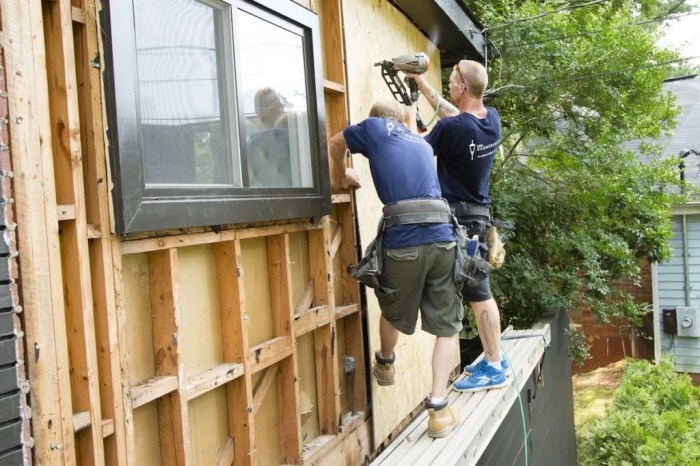
When it comes to choosing exterior siding materials for your home, there are several options available in the market. Each type of material comes with its own set of pros and cons, which should be carefully considered before making a decision.
Vinyl Siding
Vinyl siding is one of the most popular choices for homeowners due to its affordability and low maintenance requirements. It comes in a variety of colors and styles, making it a versatile option. However, vinyl siding may crack or fade over time, and it may not offer the same level of insulation as other materials.
Fiber Cement Siding
Fiber cement siding is known for its durability and resistance to fire, insects, and rot. It can mimic the look of wood or stucco without the maintenance requirements of these materials. However, fiber cement siding is heavier and more expensive than vinyl siding.
Wood Siding
Wood siding provides a natural and timeless look to a home. It can be painted or stained in various colors to match your preferences. However, wood siding requires regular maintenance, such as sealing and painting, to prevent rot and insect damage.
Brick Siding
Brick siding offers a classic and elegant appearance to a home. It is durable and requires minimal maintenance. However, brick siding is one of the more expensive options and may require additional insulation to improve energy efficiency.
Stone Veneer Siding
Stone veneer siding provides a luxurious and high-end look to a home. It is lightweight and easier to install compared to traditional stone siding. However, stone veneer siding is costly and may not offer the same level of durability as natural stone.
Preparation for Siding Installation
When it comes to installing siding on the exterior of a building, proper preparation is key to ensuring a successful and long-lasting result. This involves taking necessary steps to ready the surface for the installation process, addressing any issues that may impact the siding's performance.
Necessary Steps for Preparation:
- Clean the Surface: Before installing siding, it is crucial to clean the exterior surface thoroughly. This involves removing dirt, dust, mold, mildew, and any other debris that may be present. A clean surface will allow the siding to adhere properly and prevent any issues down the line.
- Repair Any Damage: Inspect the exterior for any damage such as rot, cracks, or holes. It is essential to address these issues before installing siding to ensure a smooth and even surface. Repairing damage will also prevent further deterioration of the building's structure.
- Check for Proper Insulation: Insulation plays a significant role in the energy efficiency of a building. Before installing siding, make sure that the insulation is in good condition and properly installed. This will help maintain a comfortable indoor temperature and reduce energy costs.
Impact of Weather Conditions:
Weather conditions can greatly impact the preparation process for siding installation. It is ideal to undertake this task during dry weather to ensure that the surface is not wet or damp, which can affect the adhesion of the siding. Extreme temperatures can also impact the installation process, so it is best to choose a moderate climate for this task.
Siding Installation Techniques
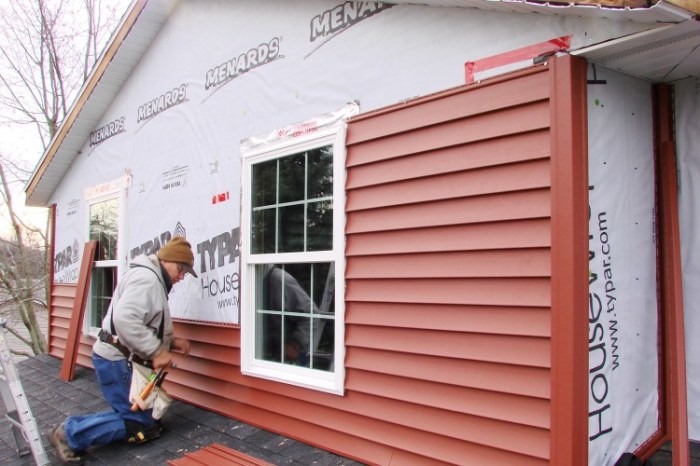
Installing exterior siding involves a series of steps and techniques to ensure a successful outcome. Let's explore the general steps involved in siding installation, the tools and equipment required, and common techniques such as horizontal vs. vertical siding installation.
General Steps in Siding Installation
- Prepare the walls by cleaning and repairing any damage.
- Measure and cut the siding materials to fit the walls.
- Install the starter strip at the bottom of the wall to support the first row of siding.
- Begin installing the siding from the bottom up, ensuring each piece overlaps the previous one.
- Secure the siding in place using nails or screws, following the manufacturer's instructions.
- Finish the installation by adding trim pieces and sealing any gaps or joints.
Tools and Equipment Required
- Hammer or nail gun
- Tape measure and chalk line
- Saw for cutting siding
- Level and square for accuracy
- Caulk gun and sealant
- Siding clips or brackets for support
Horizontal vs. Vertical Siding Installation
Horizontal siding installation is the most common method and involves placing the siding boards side by side, overlapping each other slightly. This technique is popular for its traditional look and ease of installation.
Vertical siding installation, on the other hand, involves positioning the siding boards vertically, creating a unique and modern aesthetic. This technique may require additional skill and precision but can offer a striking visual impact.
Maintenance and Care Tips
Regular maintenance and care for exterior siding is crucial in ensuring its longevity and appearance. By following these tips, you can keep your siding in top condition and address common issues effectively.
Inspect Regularly
Regular inspections of your siding can help you catch any issues early on, preventing them from worsening and potentially causing more significant damage. Look for signs of cracks, warping, or discoloration, and address them promptly to maintain the integrity of your siding.
Cleaning and Maintenance
- Regularly clean your siding with a mild detergent and water to remove dirt, grime, and mildew buildup.
- Inspect and clean gutters to prevent water damage that can affect the siding.
- Trim foliage and plants near the siding to prevent moisture accumulation and pests.
- Consider applying a fresh coat of paint or sealant every few years to protect the siding from the elements.
Addressing Common Issues
-
Cracks:
Fill cracks with caulking to prevent water infiltration and further damage.
-
Warping:
Identify the cause of warping, such as moisture or sun exposure, and address it accordingly. Consider replacing damaged panels if necessary.
-
Discoloration:
Clean stains and discoloration with a gentle cleaner or seek professional help for stubborn stains. Consider repainting or refinishing the siding for a fresh look.
Last Point
In conclusion, mastering the art of exterior siding installation can elevate the look and durability of your home. By understanding the materials, techniques, and maintenance involved, you can ensure a long-lasting and visually appealing exterior for years to come.
FAQ
What are the most common types of exterior siding materials?
Common types include vinyl, wood, fiber cement, and metal. Each has its own advantages and disadvantages in terms of cost, durability, and aesthetics.
How important is proper surface preparation before siding installation?
Surface preparation is crucial as it ensures a smooth and long-lasting installation. Cleaning, repairing, and priming the surface can prevent issues like moisture infiltration and uneven siding.
What are some common maintenance tips for exterior siding?
Regular inspections, cleaning with mild soap and water, addressing issues promptly, and repainting or resealing when necessary can help maintain the integrity and appearance of your siding.