Elevating Your Home: A Comprehensive Guide to Siding Renovation
Embark on a transformative journey with siding renovation, where your home's exterior gets a stunning makeover. Discover the ins and outs of different siding materials, essential factors to ponder before diving into the renovation process, and valuable cost considerations. Let's delve into the world of siding renovation together.
Types of Siding Materials
When it comes to siding materials for renovations, there are several popular options to choose from, each with its own set of advantages and disadvantages.
Vinyl Siding vs. Fiber Cement Siding
- Vinyl Siding:
- Pros:
- Low cost
- Easy maintenance
- Wide range of colors and styles
- Cons:
- Prone to cracking and fading over time
- Less environmentally friendly
- Pros:
- Fiber Cement Siding:
- Pros:
- Durable and long-lasting
- Resistant to fire, insects, and rot
- Low maintenance
- Cons:
- Higher initial cost
- Requires professional installation
- Pros:
Wood Siding vs. Metal Siding
- Wood Siding:
- Pros:
- Natural and classic look
- Can be easily painted or stained
- Cons:
- Prone to rot, insects, and moisture damage
- Requires regular maintenance
- Pros:
- Metal Siding:
- Pros:
- Durable and weather-resistant
- Low maintenance
- Energy-efficient
- Cons:
- Can dent or scratch easily
- May rust over time
- Pros:
Factors to Consider Before Renovating Siding
Before embarking on a siding renovation project, homeowners should carefully consider several key factors to ensure the success and longevity of the project. Factors such as climate, location, and the existing condition of the siding play crucial roles in determining the right approach to renovation.
Importance of Climate and Location
When choosing the right siding material for a renovation project, it is essential to consider the climate and location of the property. Different siding materials perform better in specific climates, so it's important to select a material that can withstand the local weather conditions.
For example, vinyl siding is a popular choice in regions with hot summers and cold winters due to its durability and low maintenance requirements. On the other hand, wood siding may be more suitable for areas with milder climates where the risk of extreme weather events is lower.
Assessing the Existing Condition of Siding
Before deciding on a siding renovation, homeowners should thoroughly assess the current condition of their siding. Look for signs of damage such as cracks, warping, or rot, as these issues may indicate the need for replacement rather than just a cosmetic update.
It's also important to inspect the insulation and moisture barrier behind the siding to ensure that there are no underlying problems that need to be addressed during the renovation process. By conducting a comprehensive evaluation of the existing siding, homeowners can make informed decisions about the best course of action for their renovation project.
Siding Renovation Process
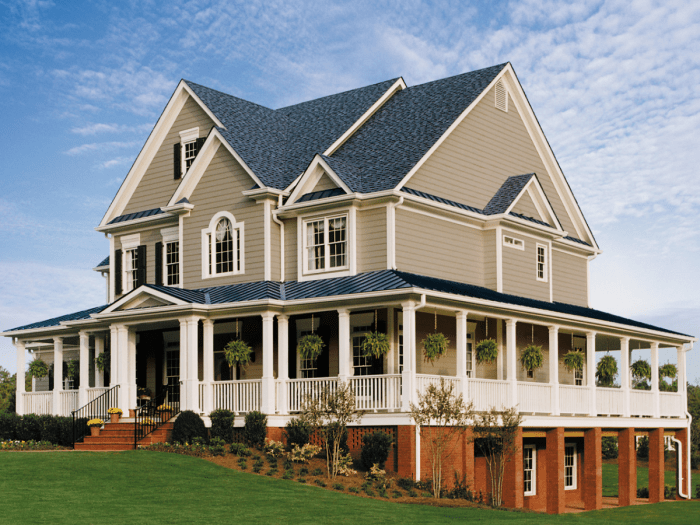
When it comes to renovating the siding on a residential property, it is essential to follow a step-by-step guide to ensure a successful outcome. Preparing the exterior wall for new siding installation and understanding the role of insulation in the process are crucial aspects to consider.
Let's delve into the details.
Preparing the Exterior Wall
Before installing new siding, it is important to prepare the exterior wall properly. Here are some tips to follow:
- Inspect the existing siding for any damage or rot, and make necessary repairs.
- Clean the exterior wall surface thoroughly to remove dirt, dust, and debris.
- Ensure proper ventilation to prevent moisture buildup behind the siding.
- Apply a weather-resistant barrier to protect the wall from the elements.
Role of Insulation
Insulation plays a crucial role in the siding renovation process, providing energy efficiency and thermal comfort. Here are some key points to consider:
- Choose the right type of insulation based on your climate and budget.
- Install insulation properly to fill any gaps and prevent air leakage.
- Consider adding a vapor barrier to control moisture and prevent mold growth.
- Consult with a professional to determine the best insulation solution for your home.
Cost Considerations
When planning a siding renovation project, it's crucial to consider the costs involved to ensure a smooth and successful process. Understanding the typical expenses associated with siding renovation, budgeting effectively for materials and labor, and exploring cost-saving tips can help homeowners make informed decisions and stay within their budget.
Breakdown of Costs
- Siding Materials: The cost of siding materials can vary depending on the type and quality chosen. Common options include vinyl, wood, fiber cement, and metal siding, each with its price range per square foot.
- Labor Costs: Hiring professionals for the installation of siding can incur labor costs, which may also vary based on the complexity of the project and the contractor's rates.
- Permits and Fees: Obtaining necessary permits for the renovation and any additional fees required by local regulations should be factored into the overall cost.
- Equipment and Tools: Renting or purchasing specialized equipment and tools for the siding installation can add to the total expenses.
Budgeting Tips
- Research and Compare Prices: Take the time to research different siding materials and suppliers to compare prices and find the best deals.
- Get Multiple Quotes: Request quotes from several contractors to compare labor costs and choose the most cost-effective option without compromising quality.
- Plan for Contingencies: Set aside a buffer in your budget for unexpected expenses or changes in the project scope to avoid financial strain.
Cost-Saving Strategies
- DIY Where Possible: Consider tackling certain aspects of the siding renovation project yourself to save on labor costs, such as removing old siding or painting.
- Opt for Mid-Range Materials: Choose siding materials that offer a good balance between quality and cost to achieve the desired look without overspending.
- Schedule Off-Season: Plan the renovation during the off-season when contractors may offer discounts or lower rates due to reduced demand.
Final Summary
As we wrap up our exploration of siding renovation, remember that every detail counts in enhancing your home's curb appeal and protection. With the right knowledge and resources, your siding renovation project can truly elevate your living space. Get ready to witness the remarkable transformation unfold before your eyes.
FAQ Insights
What are the key factors to consider before renovating siding?
Before starting a siding renovation project, homeowners should consider factors such as the climate, location, existing condition of the siding, and budget constraints.
How can I effectively budget for siding materials and labor?
To budget effectively, break down costs associated with the renovation project, research prices of materials, get multiple quotes from contractors, and allocate funds accordingly.
What is the role of insulation in the siding renovation process?
Insulation plays a crucial role in improving energy efficiency, reducing utility costs, and enhancing the overall comfort of your home during a siding renovation.